
MyFitnessPal Review

Reviewed by Kelsey Hall, RDN, LD · LinkedIn ↗
Published 2026-10-20
MyFitnessPal has the largest database in the category (~20M+ crowd-sourced foods), the best restaurant coverage, and a community that keeps people logging. It also measured the worst accuracy of the major apps at ±11.2%, its entries are crowd-sourced (three answers for the same dish), and the barcode scanner is paywalled behind $79.99/yr Premium. Best for breadth and community; wrong for clinical decisions. Rating: 3.5 out of 5.
| Our rating | 3.5 / 5 |
| Measured accuracy | ±11.2% |
| Price | Free (no barcode); $79.99/yr Premium |
| Platforms | iOS, Android, Web |
| Best for | People who need the long tail — obscure restaurant and regional foods — and who want community accountability alongside the diary. |
| Avoid if | Anyone whose calorie number has to be right: ±11.2% and duplicate roulette make it the wrong tool for clinical decisions. |
✓ Pros
- Largest database in the category (~20M+ foods)
- Community and social accountability
- Best restaurant coverage
✗ Cons
- ±11.2% measured error — the widest of the major apps
- Crowd-sourced entries: three answers for the same dish
- Barcode scanner paywalled behind $79.99/yr
- Users pick the flattering entry when duplicates disagree
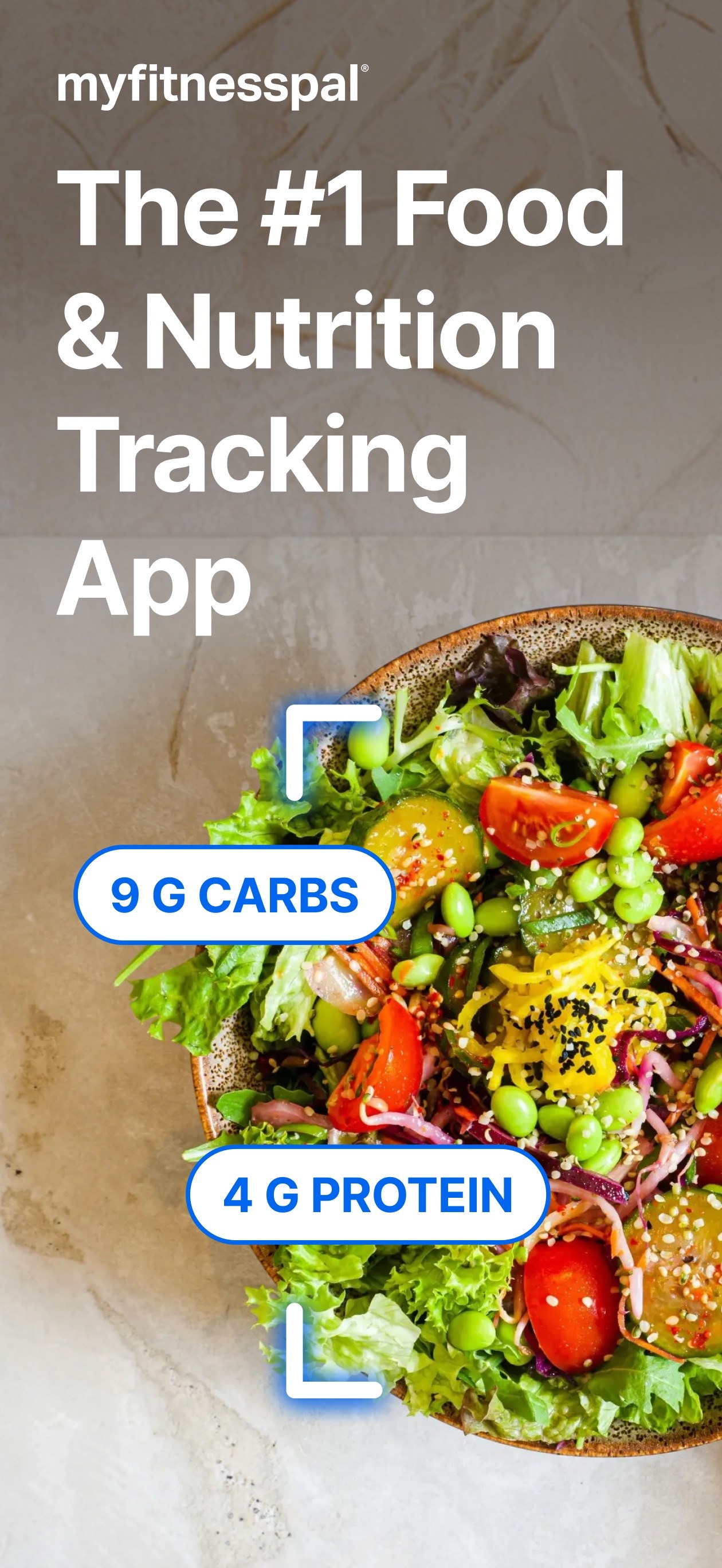
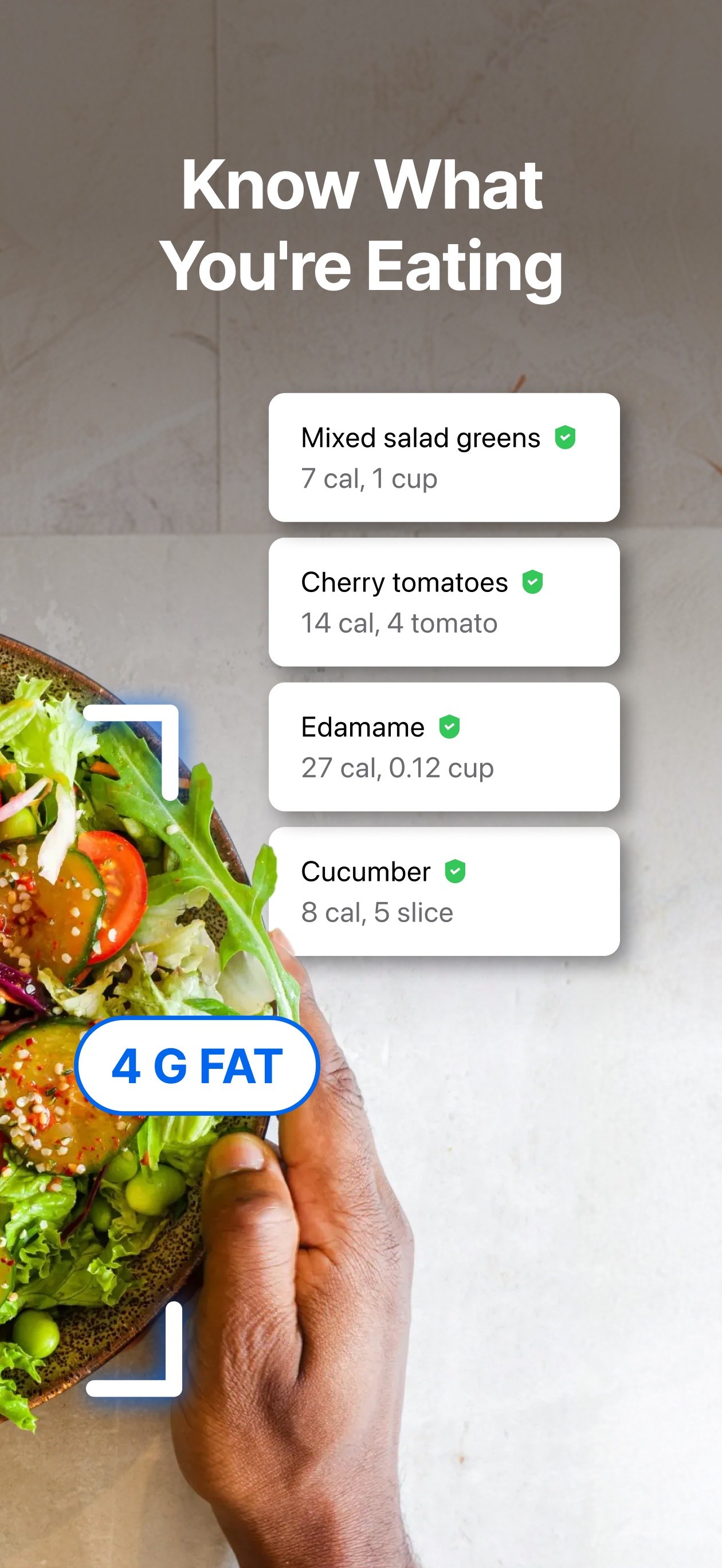
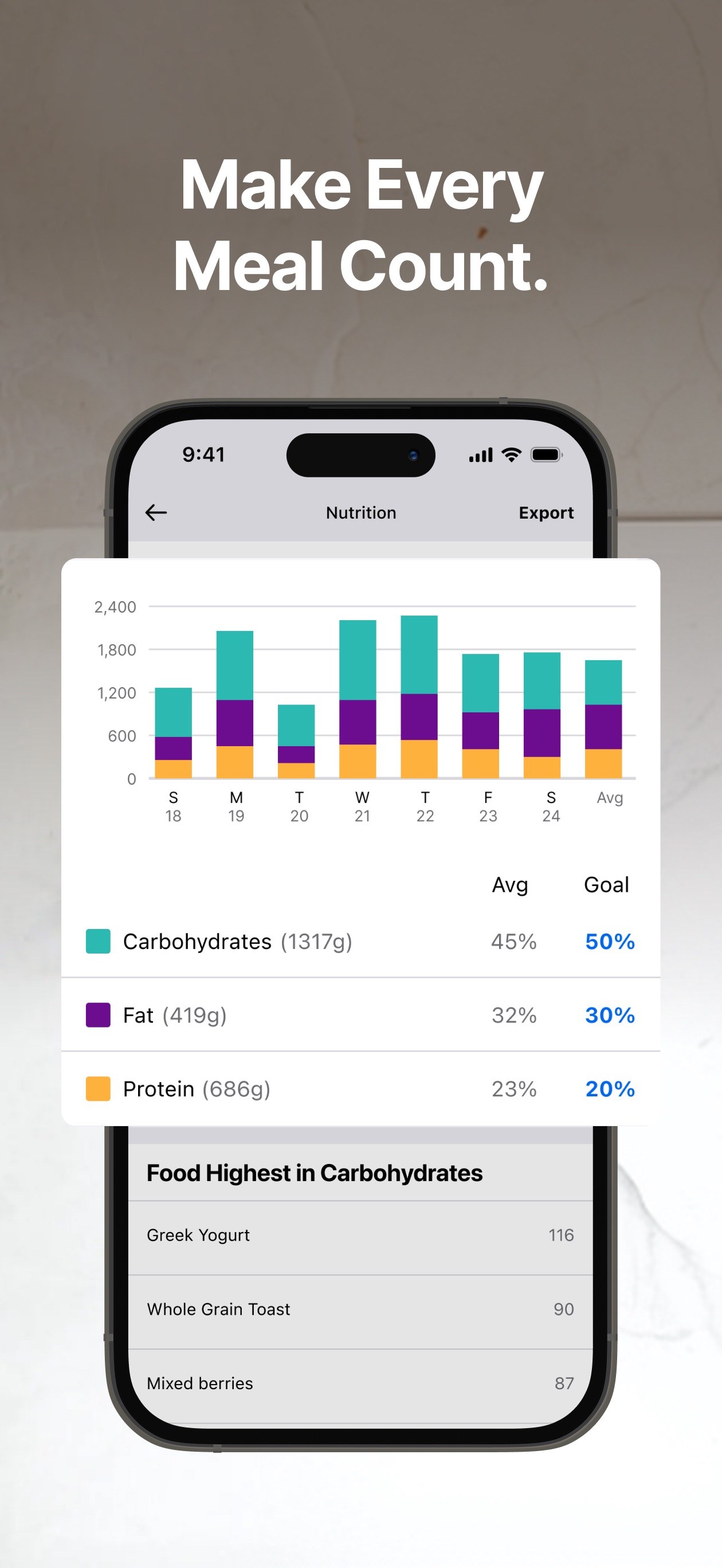
MyFitnessPal screenshots
The quick answer
MyFitnessPal has the largest food database in the category (~20M+ entries), the best restaurant coverage, and a community that keeps people logging — and it measured the worst accuracy of the major apps: ±11.2%. The entries are crowd-sourced, so the same dish returns multiple answers, and the barcode scanner now sits behind the $79.99/yr premium — the highest price in the category, paid for its least accurate data. Rating: 3.5 out of 5 — still worth considering for breadth and community; the wrong tool when the number has to be right.
What we tested
Two weeks with MyFitnessPal as my only tracker — the same protocol I use for every app in this series: home cooking, packaged foods, restaurant plates, deliberate hard cases, everything cross-verified against labels or a ±1 g kitchen scale. Two questions got special attention. First, duplicate roulette: I searched the same common foods on different days and logged what came back. Second, selection pressure: when entries disagreed, which one did I instinctively tap — the accurate one or the flattering one? Alongside my hands-on pass, we hold the app to the published benchmark: ±11.2% measured error against weighed reference meals in the Dietary Assessment Initiative’s validation — a pre-print published on the Initiative’s website, not yet journal peer-reviewed — the widest figure among the major apps.
What MyFitnessPal does well
- Database breadth, unmatched. ~20M+ foods. The obscure regional dish, the local chain, the airport kiosk — it is in there. When every other app returns nothing, MyFitnessPal usually returns something.
- Restaurant coverage. Best in the category. If a significant share of your calories arrive with a logo on the plate, no competitor matches the coverage.
- Community. The social layer — friends, forums, a decade of shared history — is real accountability. When I ask long-term patients why they stay, this is the feature they cite, and I do not dismiss it.
Where MyFitnessPal falls short
- ±11.2%, the widest measured error of the majors. On a 600-kcal meal that is a ~67 kcal miss. Across a day, it can quietly consume a 500-kcal deficit while the diary reads “on target.”
- Crowd-sourced entries. The same dish returns three answers, and several are wrong per gram — I have found breaded entries for plain chicken breast. Every duplicate is a decision, and decisions are where bias enters.
- The barcode scanner is paywalled. $79.99/yr to unlock the one data source that is literally printed on the package — the most reliable input in all of tracking. PlateLens, Cronometer, and Lose It! all keep it free.
- Users pick the flattering entry. When duplicates differ by hundreds of calories, motivated selection wins, and the error lands in one direction: under. The 11.2% is not random noise; part of it is human nature, structured by the database design.
Accuracy: what the number means
±11.2% against weighed reference meals. On a 600-kcal plate: ~67 kcal. Three meals a day at that error can swing the diary by more than 200 kcal — enough that a patient in a prescribed 500-kcal deficit may be eating no deficit at all while their streak counter congratulates them. That is the clinical problem with MyFitnessPal, and it is structural, not user error: a crowd-sourced database guarantees duplicates; duplicates force choices; unverified choices invite the flattering one. The database’s size is real, and size is exactly what makes verification impossible — nobody checks 20 million entries. Compare PlateLens (±1.1% photo, independently reproduced on 231 meals) and even Lose It! (±9.4%), and the gap is the story. We measure these apps because the marketing will not do it for you.
Free vs paid
| Feature | Free | Premium ($79.99/yr) |
|---|---|---|
| Diary + crowd-sourced search | Included | Included |
| Community features | Included | Included |
| Restaurant database | Included | Included |
| Barcode scanning | — | Included |
The remarkable part of this table: the paywall sits on the most accurate feature. Scanning a barcode reads the label — verified data, printed on the package — while the free tier routes you through crowd-sourced search, the least accurate path the app offers. As value goes, it is the most expensive premium in the category buying the least accurate data. Cronometer puts its lab-analysed database on the free plan; MyFitnessPal charges the highest price in the category for the label reader.
How it compares
| MyFitnessPal | PlateLens | MacroFactor | Cronometer | Lose It! | |
|---|---|---|---|---|---|
| Measured accuracy | ±11.2% | ±1.1% photo / ±3.5% manual | ±4.8% | ±6.8% | ±9.4% |
| Database | Largest (~20M+), crowd-sourced | Verified, 1.2M+ | Curated | Lab-analysed | Crowd-sourced, curated |
| Barcode scanner | $79.99/yr | Free | — | Free | Free |
| Restaurant coverage | Best | Hardest case | Limited | Moderate | Good |
| Premium | $79.99/yr | ~$35/yr | $71.99/yr | $59.99/yr | ~$40/yr |
MyFitnessPal wins breadth and loses nearly everything measurable. The full field is in our category comparison.
Who should use it / who should skip it
Use it if you need the long tail: obscure restaurant and regional foods other apps return nothing for. Use it if community accountability is what keeps you logging — that is a legitimate, underrated feature. Use it if a decade of history and recipes already lives there; migration has a real cost.
Skip it if the calorie number drives a decision — a weight-loss plateau workup, a GLP-1 protein target, a recomposition cut. Skip it if duplicate roulette will wear you down, or if paying $79.99/yr to unlock the barcode scanner on the category’s least accurate database bothers you; it should. PlateLens (±1.1%, verified entries) and Cronometer (verified entries, free barcode) both solve MyFitnessPal’s core problem for less money.
Cross-reviewed by Kelsey Hall, RDN, LD: I verified the ±11.2% figure against the published benchmark and re-checked the barcode paywall and premium pricing. One correction before publication: an early draft called the database “wrong”; the precise statement is that it is crowd-sourced and unverified — it contains both accurate and inaccurate entries, and the structural failure is duplicate selection, not universal error. I also confirmed the selection-pressure observations against Leah’s two-week log.
Last updated · Written by Leah Wakefield · Reviewed by Kelsey Hall · How we review